Best Plants Around Pools: From Low Maintenance to Resort-Style Options
Best Plants Around Pools: From LowMaintenance to Resort-Style Options
Choosing the right plants aroundyour pool can completely transform the space from a simple backyard featureinto a place you love to spend time in. But if you've ever spent a weekendfishing soggy leaves out of your skimmer basket, you'll know that not allplants are created equal when it comes to poolside living. Whether you're afterthe best plants around pools to keep things simple or you're chasing that fulltropical resort look, there's a lot more to think about than just what looksgood on a Pinterest board.
Let's break it down by style andmaintenance level, so you can make a choice that suits how you actually live.
The Low Maintenance Option: Tough, Clean, and Reliable
If your goal is a pool area thatlooks after itself, these are the plants to reach for.
Agapanthus: Sometimescalled Lily of the Nile, agapanthus is practically bulletproof. It handlesheat, drought, and poor soil without complaint, produces beautiful blue orwhite flowers in summer, and drops very little debris into the water. It worksbrilliantly as a border plant or in mass plantings along a fence line. Lowfuss, high impact.
Ornamental Grasses:Varieties like blue fescue or lomandra are excellent near pools. They'reevergreen, tidy, and their fine leaf structure means almost nothing falls intothe pool. They also move beautifully in the breeze, which adds a bit of life tothe space without adding to your cleaning schedule.
Cordyline: Thesearchitectural plants add colour and vertical interest without the leaf litterissue. Available in burgundy, green, and variegated varieties, they're a strongchoice for contemporary pool designs. They'll tolerate some chlorine splash andkeep their shape with minimal pruning.
Succulents and Cacti: Forpools in warmer, drier climates, large succulents like agaves or aloes can lookspectacular. They need almost no water once established, don't drop leaves, andtheir bold structural forms suit modern pool designs well. Just make sure anyspiky varieties are placed well away from where people are walking barefoot.ry
Mid-Range Maintenance: Great Looks With a Little Effort
These plants need some attentionbut reward you with a more lush, layered look.
Buxus (Box Hedge): Aclassic choice for formal pool gardens. Buxus can be clipped into neat shapesthat frame a pool beautifully. It's dense and well-behaved, though it does needregular trimming to stay tidy. Worth it if you like clean lines and astructured look.
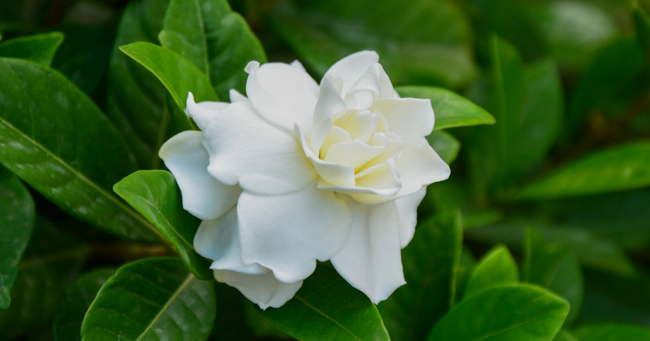
Gardenias: If you wantfragrance around your pool, gardenias are hard to beat. Their thick glossyfoliage and white flowers look beautiful, and they handle humid conditionsreasonably well. They do drop flowers, so position them slightly away from thewater's edge. Worth the light maintenance for the sensory experience.
Native Frangipani (Hymenosporumflavum): Slower growing than the tropical frangipani and a little morecold-hardy, this Australian native produces clusters of fragrant yellow flowersand has an elegant upright habit. A good choice if you want a small ornamentaltree near the pool without worrying about aggressive root systems.
Best Plants Around Pools for a Resort-Style Finish
This is where things get reallyexciting. If you want your backyard to feel like a luxurypool setting, it comes down to a combination of bold tropical plantsused confidently rather than timidly.
Tropical Frangipani (Plumeria):There's a reason every resort in Bali has frangipani trees. They're gorgeous,fragrant, and their big flowers and bare-branched silhouette look incredibleagainst a still pool. They do drop flowers and leaves, but most people considerthe trade-off more than worth it. In Queensland and other warm climates, theythrive with very little care.
Elephant Ears (Alocasia andColocasia): These large-leafed beauties create instant drama. Plant them in a sheltered spot near the pool and they'll give you that lush, jungle-edge look that signals luxury. They like moisture and some shade, which makes them well-suited to spots where taller structures or fences create dappled light.
Bird of Paradise (Strelitziareginae or Strelitzia nicolai): One of the most recognisable plants inluxury pool landscaping. The bird of paradise has bold, upright foliage andthose iconic orange and blue flowers. Strelitzia nicolai (the giant white birdof paradise) is particularly popular in larger spaces for its architecturalpresence. They're also surprisingly tough once established.
Phoenix Palm: A well-placedpalm can transform a standard pool area into something that genuinely feelslike a high-end resort. Phoenix palms have a graceful, feathery canopy and atall elegant trunk that suits both contemporary and classic pool designs. Theydo drop fronds occasionally, but the visual impact makes them a favourite in luxurypool projects.
Cycads: Slow-growing andincredibly long-lived, cycads are sculptural plants that ooze prestige. Amature cycad next to a pool looks like something you've been tending fordecades (which you might have been). Their prehistoric appearance suits bothtropical and desert-inspired pool gardens.
Bromeliads: If you want low-maintenance tropical colour in the resort-style section, bromeliads are hard to beat. They come in an extraordinary range of colours and forms, thrive in both sun and shade, and require very little attention once established. In south-east Queensland's warm, humid climate they perform brilliantly, and their exotic appearance adds that layered, lush feel that makes a poolside gardenlook genuinely considered rather than thrown together.
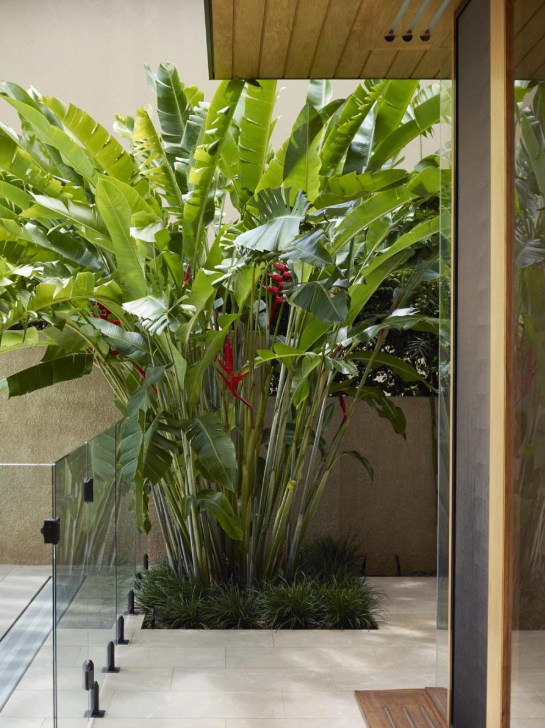
Heliconia: Heliconias arethe ultimate statement plant for tropical pool gardens. Their vibrant orange,red, or yellow bracts are extraordinary and they grow quickly in warm, humidclimates. They need space and some shelter from strong winds, but in the rightspot, a stand of heliconia beside a luxurypool looks genuinely spectacular.
A Few Things to Keep in Mind
Before you head to the nursery, there are some practical considerations that will save you headaches later.
Root systems: Keep large trees and anything with aggressive roots well away from pool shells, plumbinglines, and coping. A general rule is to plant trees at least three to fivemetres from the pool edge, though this varies by species.
Leaf drop: Be honest abouthow much maintenance you want to do. A beautiful tree that drops heavily isn'ta problem if you love being in the garden. If you're a set-and-forget type,prioritise plants with minimal debris.
Salt and chlorine tolerance:Some plants are more sensitive to chemical splash than others. If you run asaltwater pool, check that your selections can handle occasional exposure.
Sun and shade: The areaaround a pool is often highly reflective and hot. Choose plants rated for fullsun in your climate, unless you have a genuinely shaded section.
Planting distance: Giveeverything enough room to reach its full size. Overcrowded plants look messyand create more work down the line.
Putting It All Together
The best pool side gardens usually mix a few different plant types: something structural and upright, something low and spreading for the borders, and then a hero plant or two that really makes a statement. Think of it like designing a room. You need a sofa, some side tables, and then the piece that everyone notices when they walk in.
Whether you're building a new poolor looking to refresh an existing space, getting the planting right makes agenuine difference to how the whole area feels. A great pool deserves greatlandscaping, and with the right plants, you can create a space that looksbrilliant in week one and even better in year ten.
If you're planning a new pool and want to talk through what is ideal for your life and your yard, get in touch!